























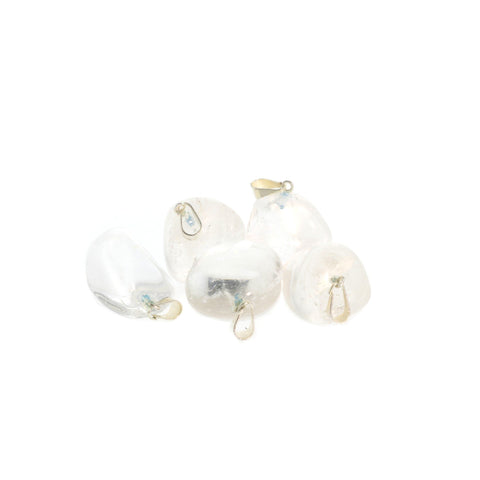

Clear quartz: the stone once taken for ice
Rock crystal has been carved, worn and studied for thousands of years, and today grown quartz keeps time in your watch.
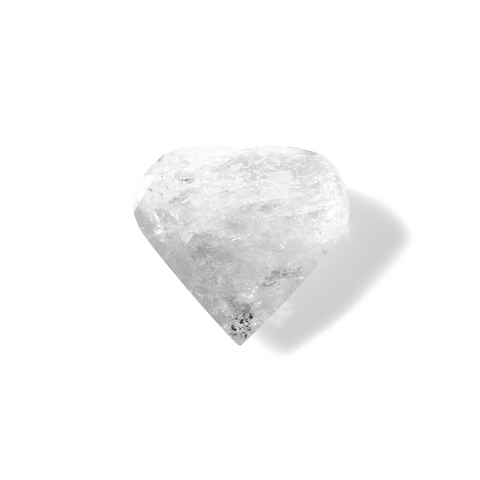
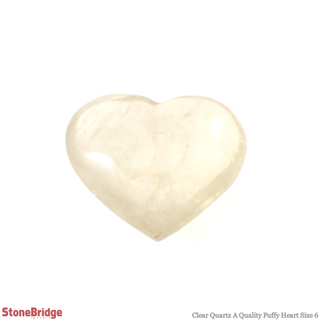
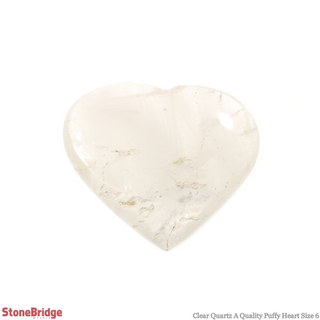
The ancient Greeks called clear quartz krystallos, meaning ice, and believed it was water frozen so hard it could never thaw. Our word crystal comes from it. Pure quartz is colourless and very transparent, and over the centuries it was carved into seals, bowls, lenses and ornaments.
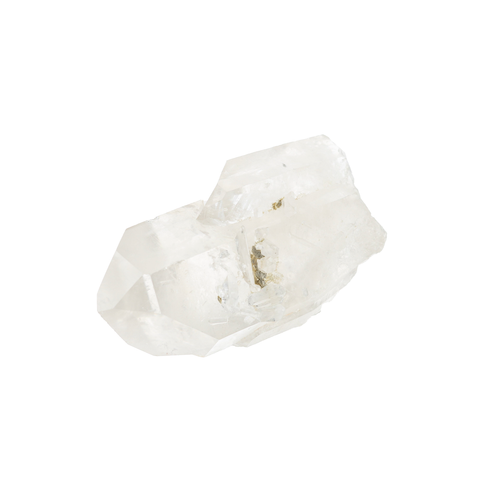
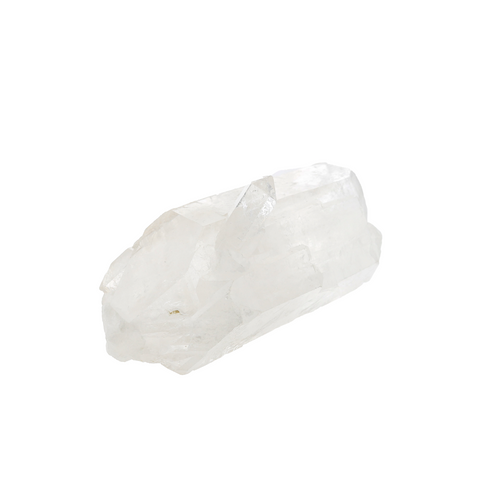
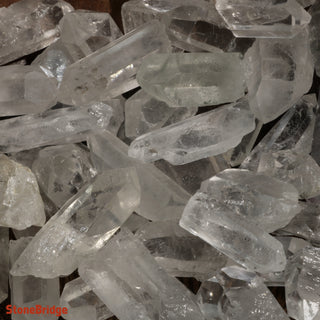
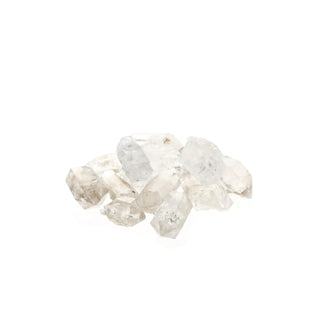
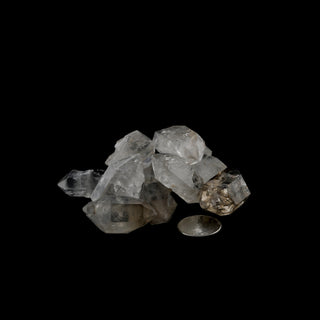
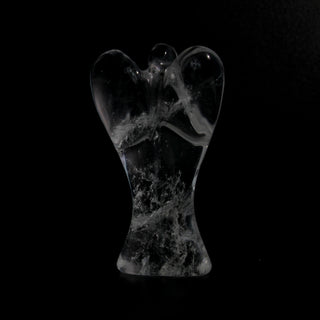
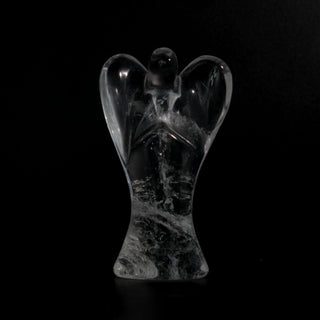
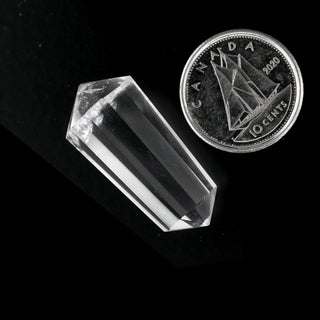
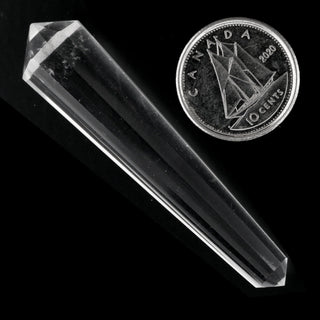
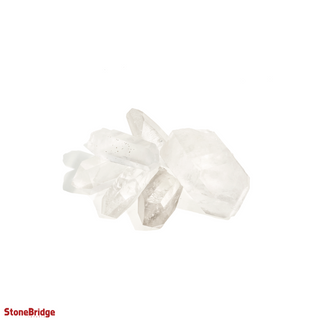
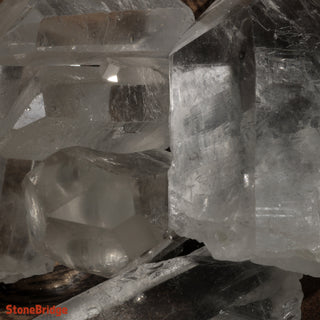
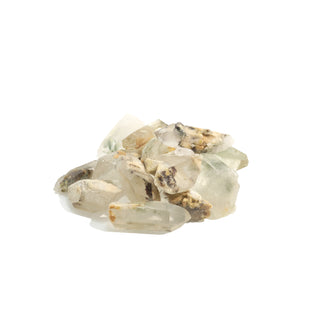
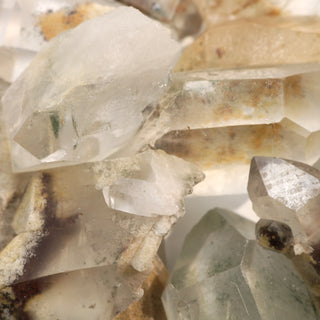
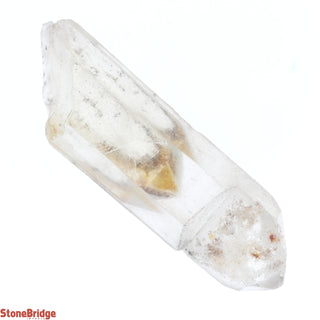
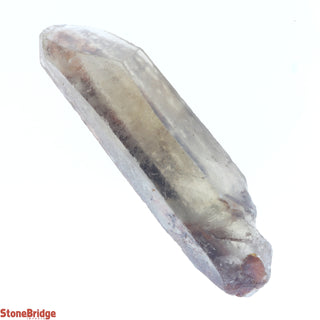
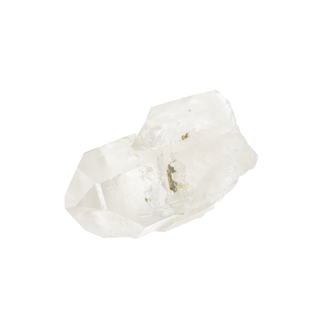
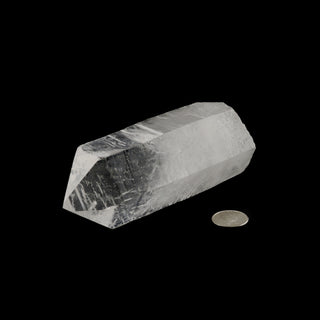
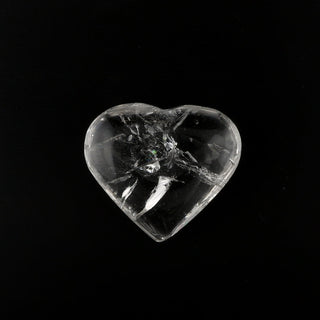
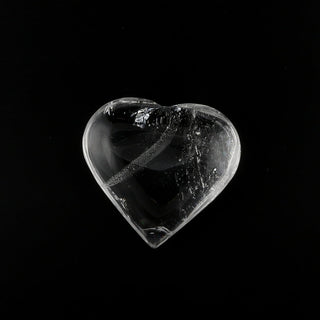
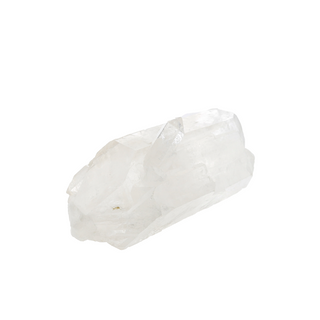
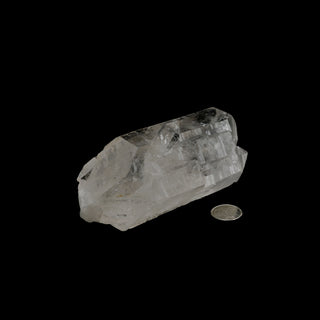
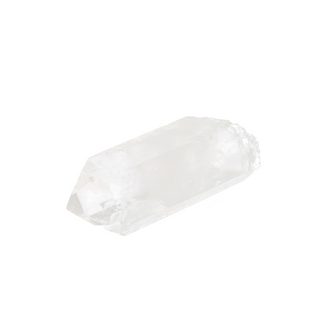
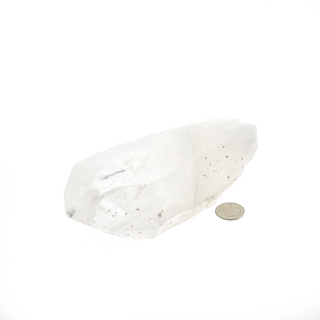
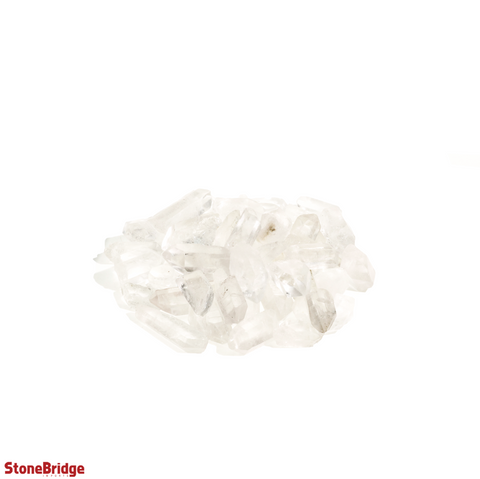
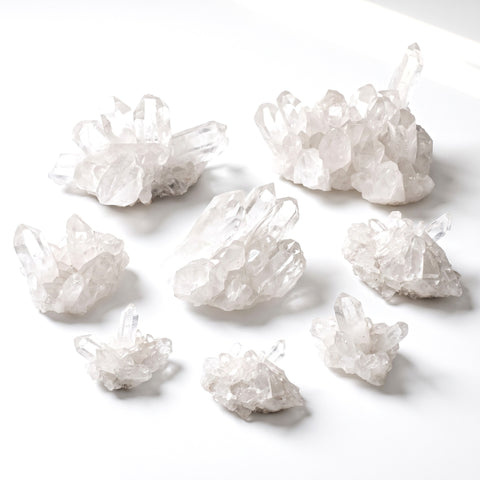
Quartz grows as six-sided prisms that end in a point. Natural points are often cloudy near the base, where the crystal started on the rock, and clearer toward the tip. Many carry inclusions, a record of what was around while they grew, such as veils of tiny fluid bubbles, flecks of clay or chlorite, and ghost outlines of earlier tips called phantoms.
Quartz is piezoelectric. Squeeze it and it produces a small electric charge; apply a voltage and it vibrates at a very steady rate. That is why a sliver of grown quartz keeps time in most watches and clocks.
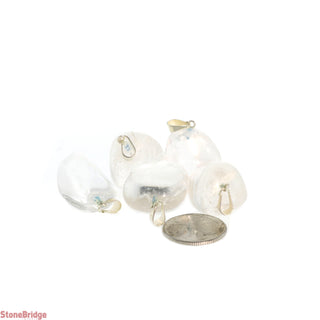
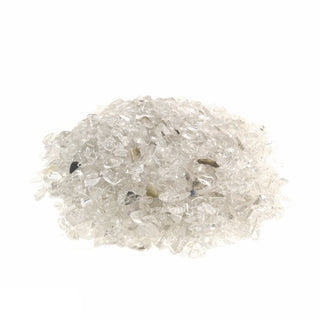
For a shop, clear quartz is the most useful crystal on the shelf. It is hard (7 on the Mohs scale), it comes in every size and shape, and it sits well beside every other stone, which is why it anchors most displays.
The word crystal comes from the Greek for ice. Clear quartz was the original crystal.