


Citrine: the honest story of a golden quartz
Natural citrine is rare and pale. Most of the citrine in shops started life as amethyst, and that is fine, as long as it is labelled.
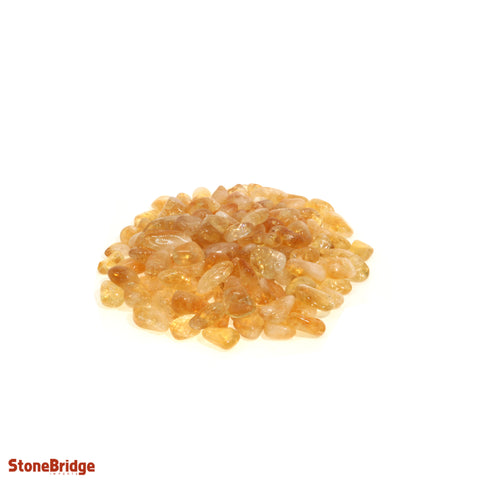
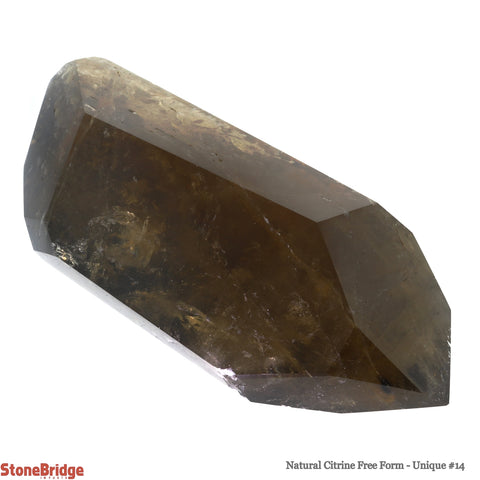
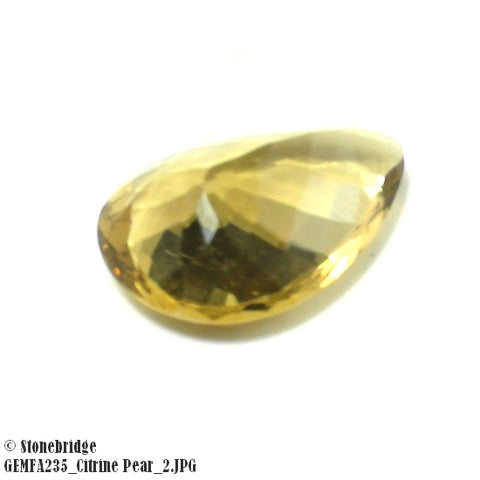
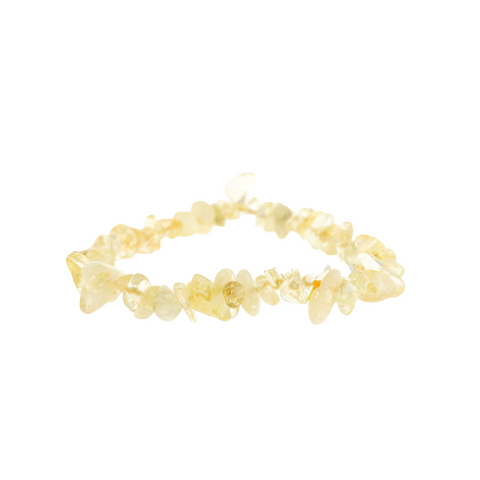
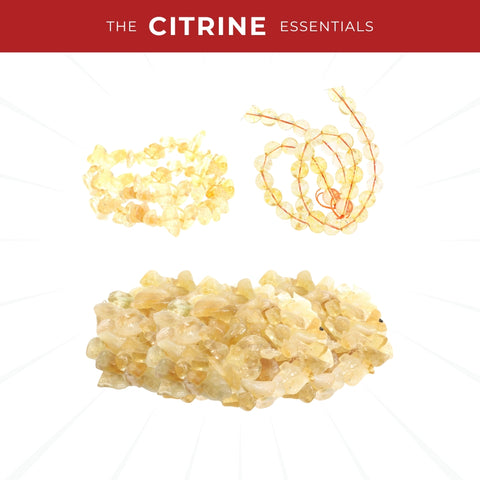
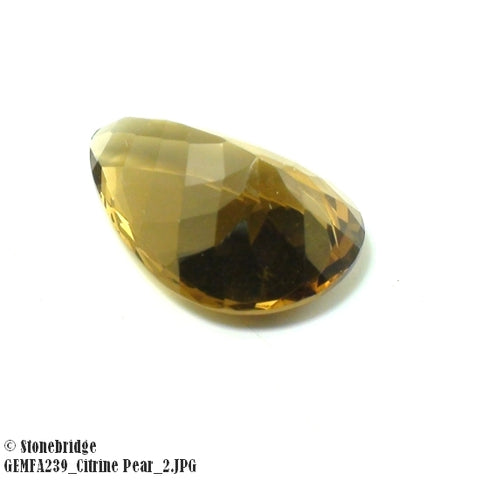
Citrine is quartz, the same mineral as amethyst and clear quartz, coloured yellow to orange by traces of iron. Its name comes from the French word for lemon. Natural citrine forms when quartz with the right impurities is exposed to natural heat and radiation underground, and it usually comes out pale, from a light lemon yellow to a soft smoky gold.
Natural citrine is uncommon. Most citrine on the world market is amethyst that has been heated, in a kiln or an oven, until the purple turns yellow, orange or deep red-orange. The colour is permanent and the stone is still real quartz. But it is a heated stone, and buyers deserve to know that.
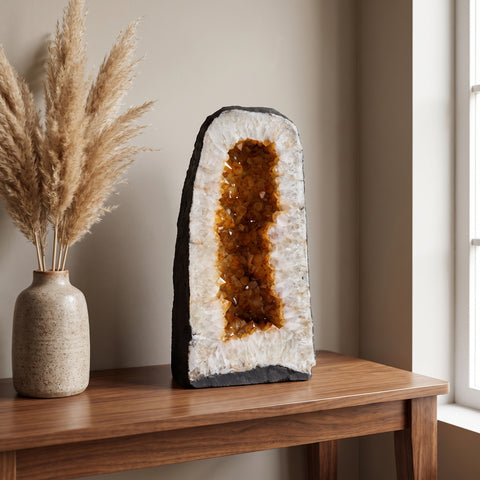
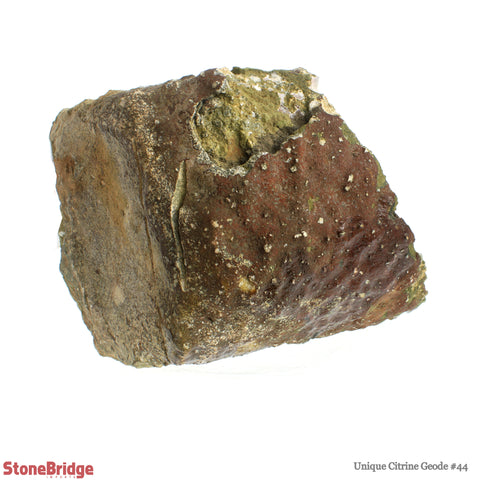
Heated citrine is easy to spot once you know the signs. Geodes and cathedrals show white or pale crystals at the base and dark orange tips, because the tips held the most colour as amethyst. Natural citrine crystals are more even, and rarely that bright. Our titles say "(Heat-Treated)" on heated pieces.
For a shop, heated citrine is not a problem to hide. It is a good story to tell. Put a cathedral next to an amethyst geode and customers see the before and after in one glance. Natural citrine, when you can find it, earns its own label and its own shelf.
Most citrine started as amethyst. Label it as heated, and the before-and-after becomes the selling point.