








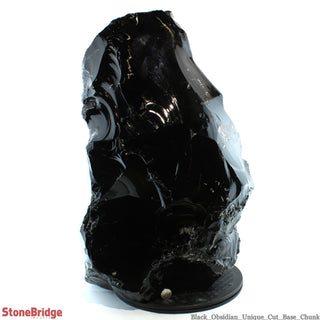

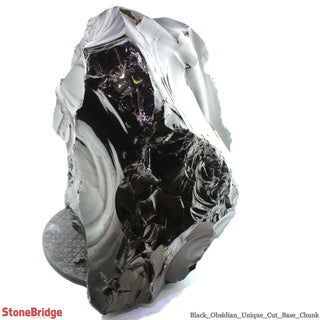

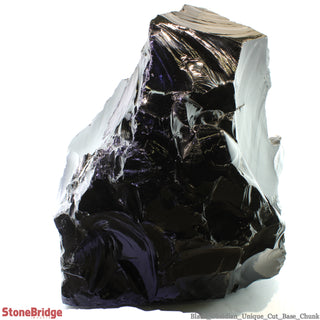

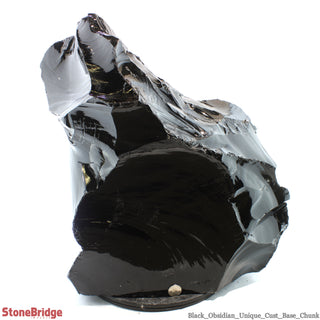

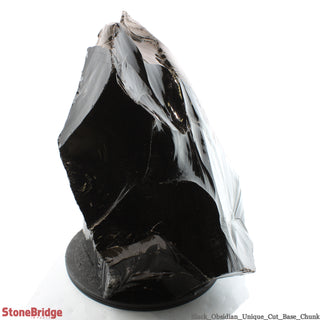

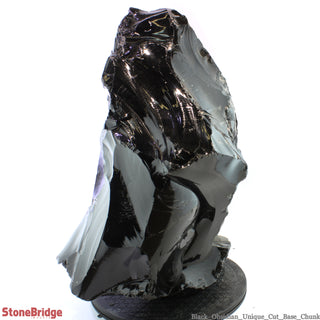

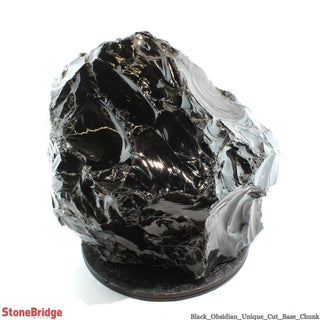


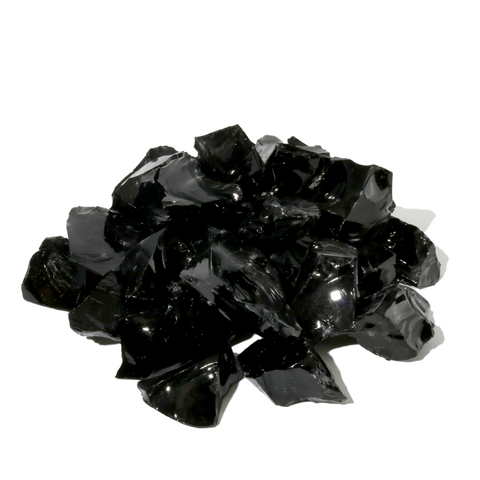

Obsidian: glass from a volcano
Lava that cooled too quickly to form crystals, and one of the first stones people shaped into tools.
Obsidian forms when lava rich in silica cools so fast that its atoms have no time to arrange themselves into crystals. The result is natural glass. Because it has no crystal structure, mineralogists call it a mineraloid rather than a mineral.
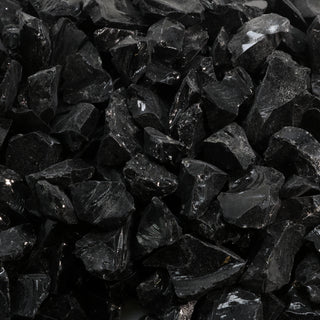
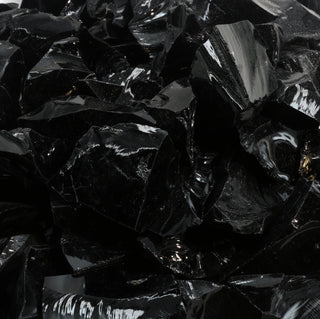
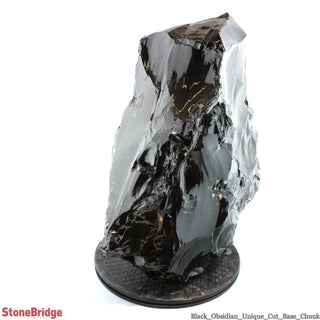
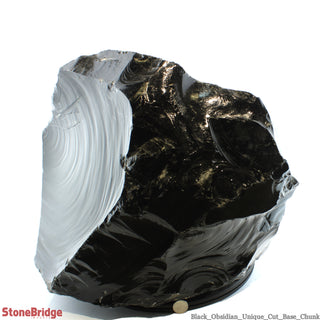
Like all glass, it breaks with smooth, curved, shell-shaped surfaces, and the fresh edges can be sharper than a steel blade. People noticed early. Obsidian blades, arrowheads and polished mirrors turn up at archaeological sites around the world, and the stone was traded over great distances.
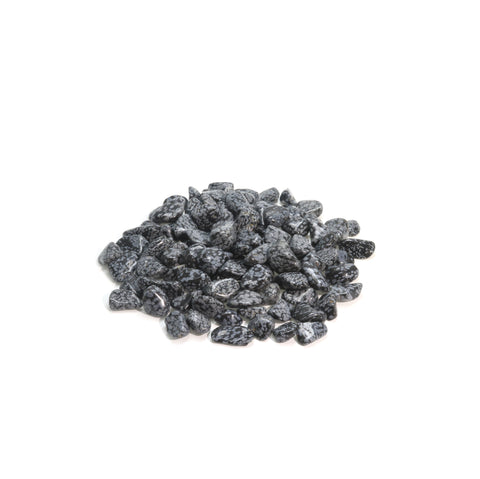
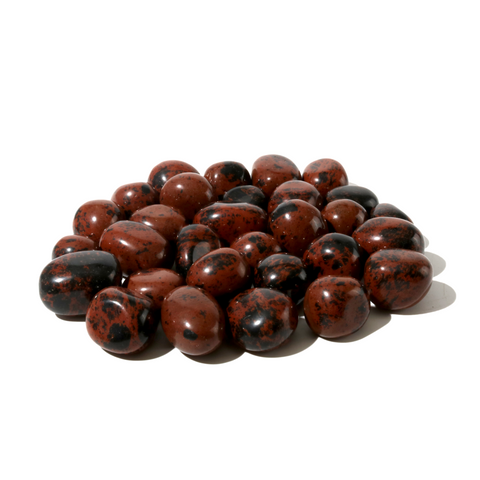
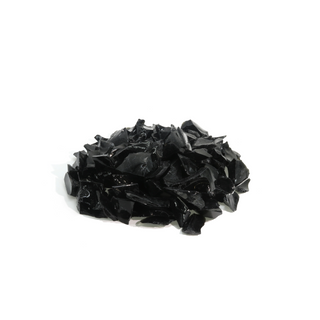
Its colours come from what is trapped inside. Tiny mineral crystals make it black. White spots of cristobalite make snowflake obsidian. Iron-rich streaks give mahogany obsidian its red-brown, and layers of microscopic inclusions make gold sheen, silver sheen and rainbow obsidian flash in the light.
Natural glass slowly changes over very long periods, so obsidian is young as rocks go. Most comes from areas with recent volcanic activity, such as Mexico, the western United States, Armenia, Turkey and Iceland.
Edges sharper than steel, made by a volcano.