

























Selenite: the moonlit stone that hates water
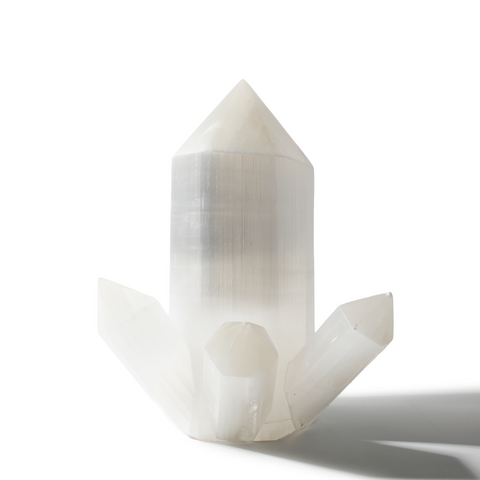
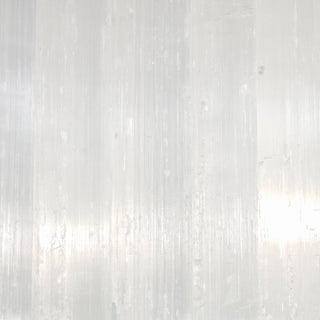
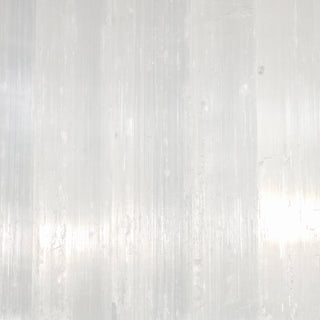
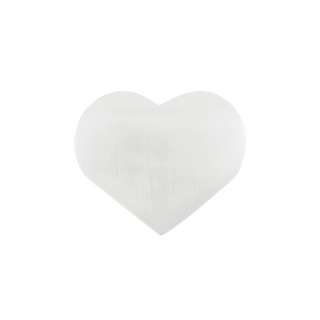
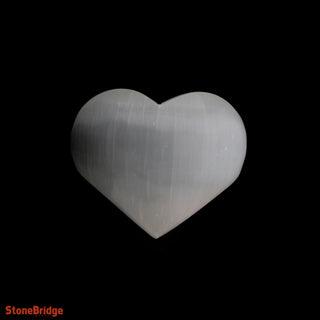
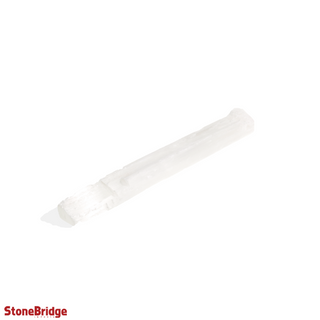
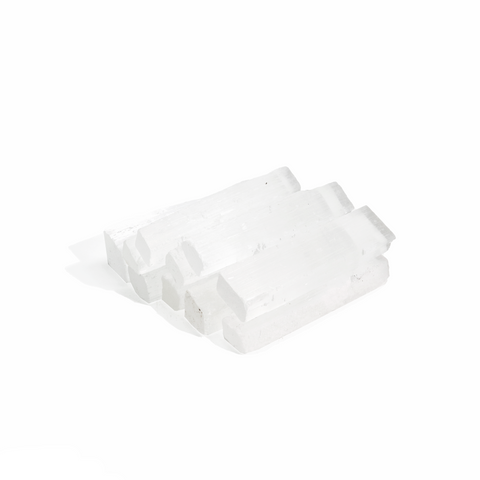
Most selenite in shops is satin spar, a silky form of gypsum that carries light along its fibres.
Selenite is gypsum, hydrated calcium sulphate, the same mineral used to make plaster and drywall. It forms where salty water evaporates, in old seabeds and desert lake basins, and some deposits are enormous. The giant crystals in the Cave of the Crystals at Naica, Mexico, some longer than a bus, are selenite.
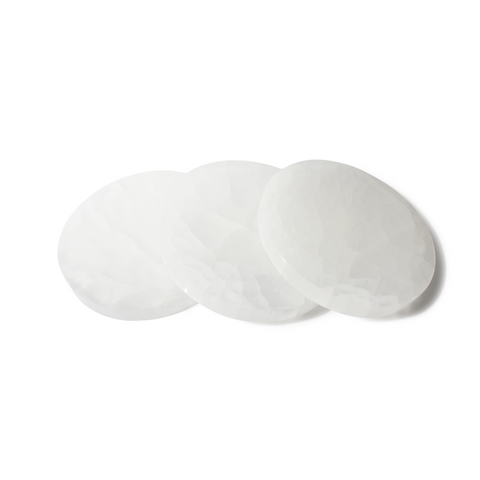
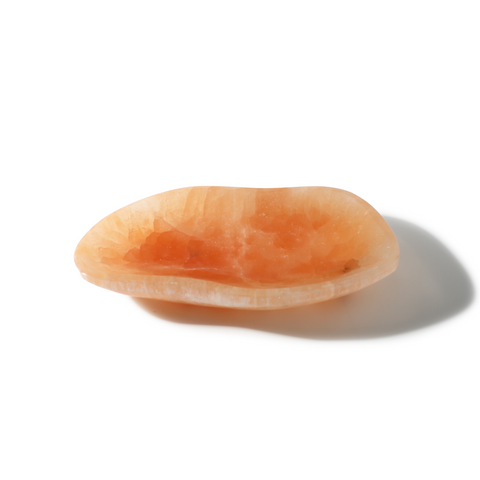
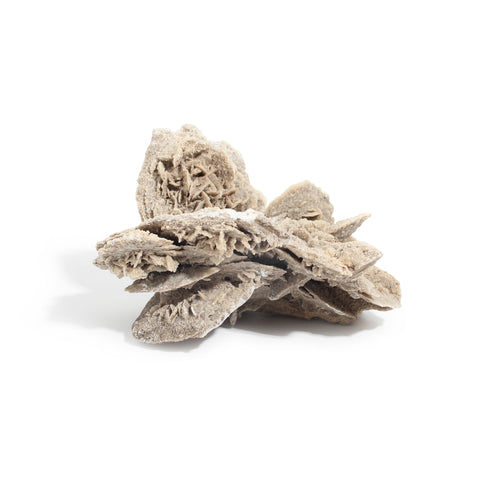
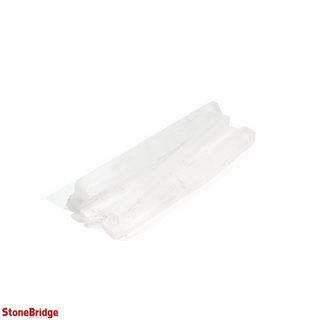
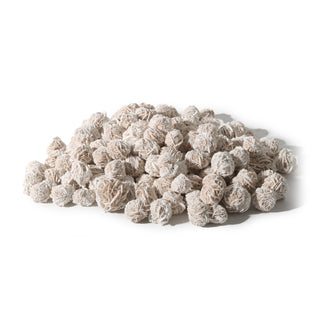
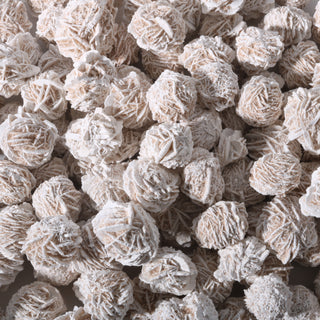
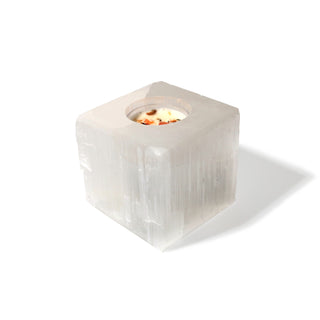
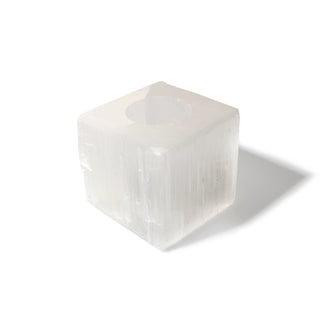
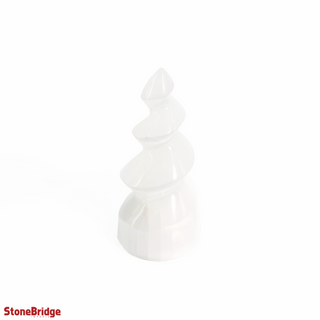
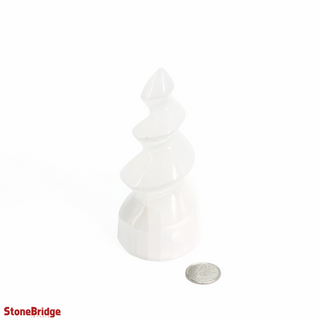
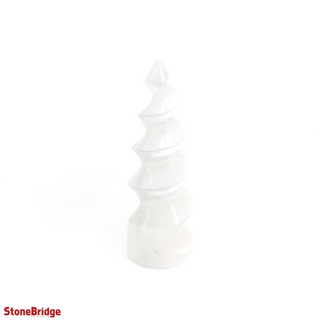
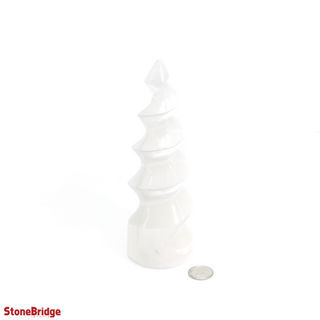
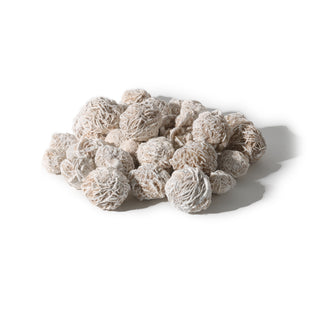
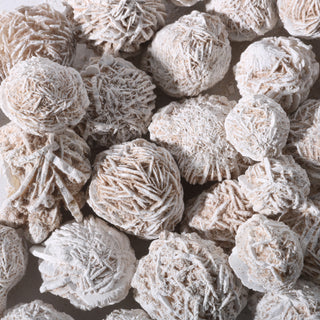
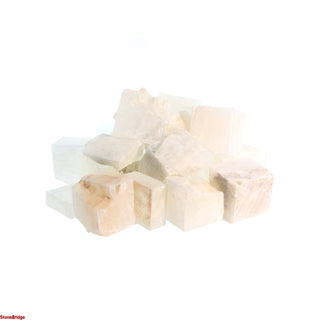
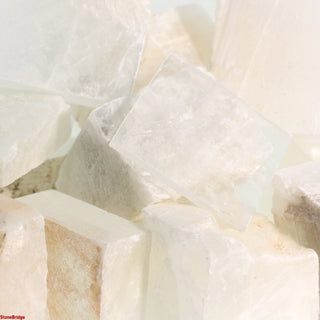
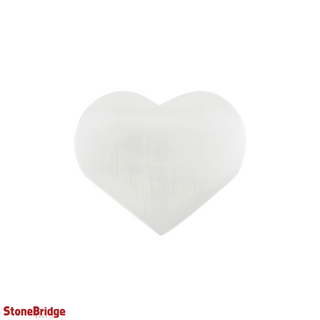
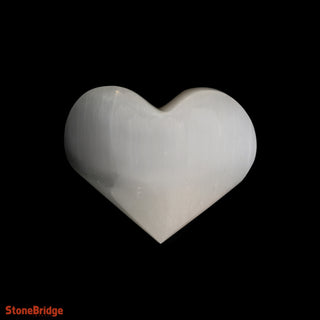
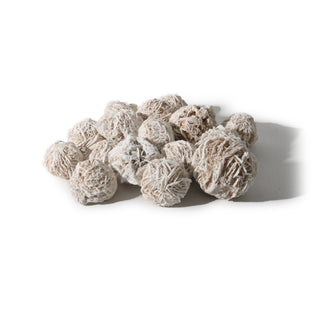
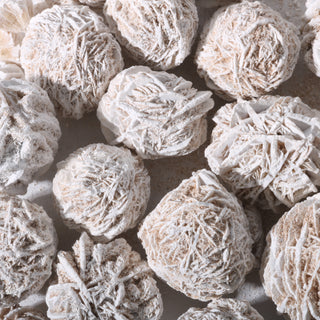
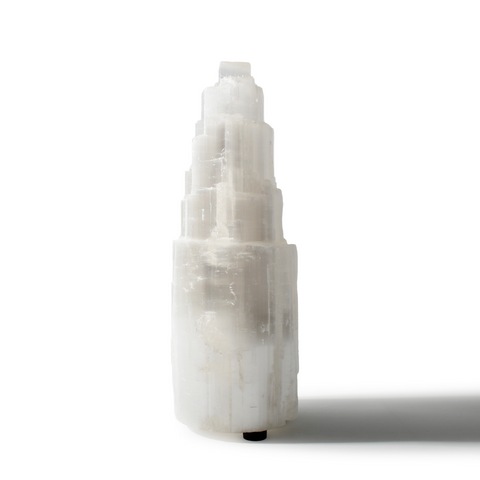
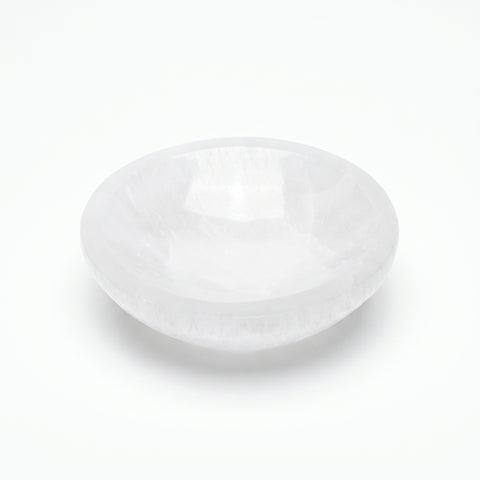
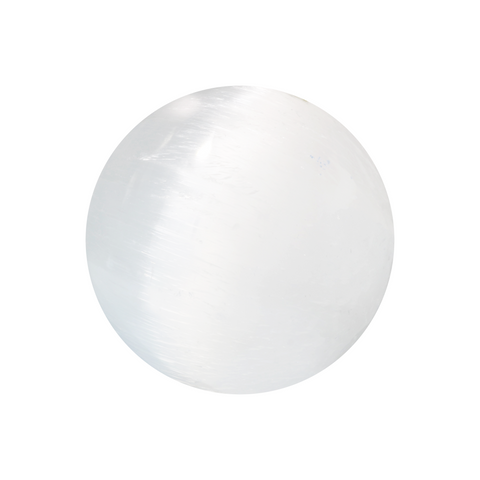
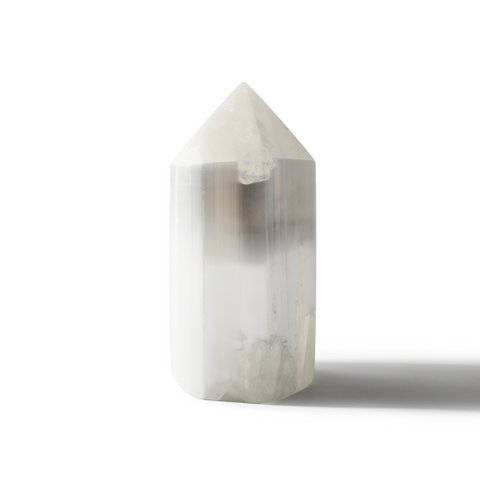
Strictly, the name selenite belongs to the clear, glassy form of gypsum that splits into thin, flat sheets. Most of what shops call selenite, the white sticks, towers, lamps and bowls, is satin spar, a fibrous form whose parallel fibres carry light along their length and give it that silky glow. Desert rose is a third form, rosettes of gypsum blades with sand caught between them.
Gypsum is soft. At 2 on the Mohs scale a fingernail scratches it, and it slowly dissolves in water. That is why selenite is dusted, never washed, and why polished pieces lose their shine in damp rooms.
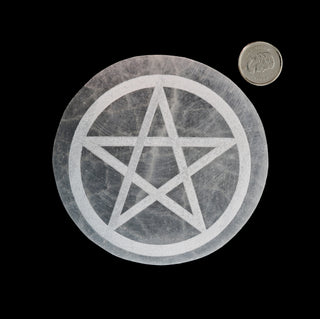
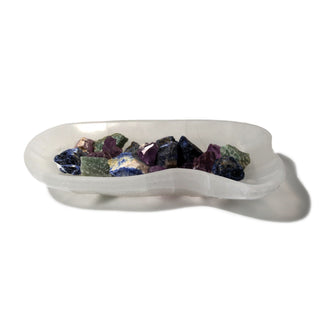
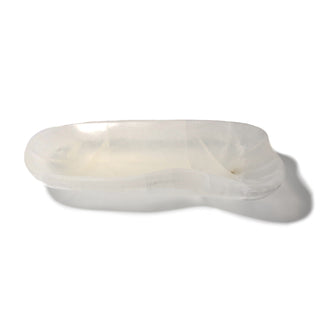
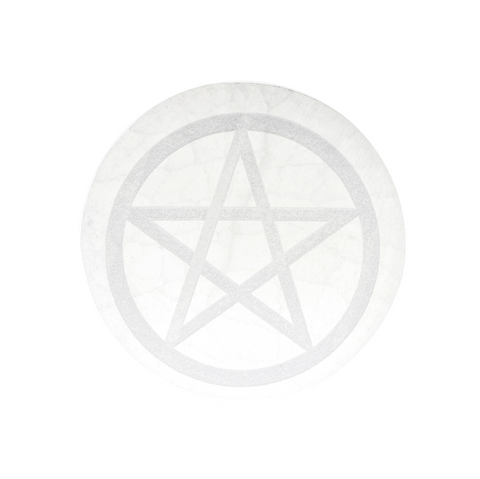
The name comes from Selene, the Greek goddess of the moon, for its soft, moonlike sheen. Much of the satin spar sold worldwide comes from Morocco, where it is carved into the lamps, bowls and plates crystal shops know well.
The giant crystals in Mexico's Cave of the Crystals are selenite, some longer than a bus.