Loading

Temporary shipping surcharge active - $300 free shipping still available!

Your Cart

Your cart is empty

Get inspiration from items on sale!

WholesaleCarnelian

Warm orange-red chalcedony, the classic counter stone. Tumbled by the bag, beads, bracelets and runes.

7 Results

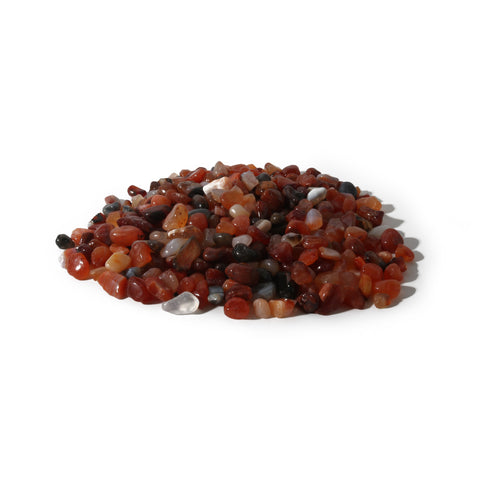
Carnelian Red Agate Tumbled Stones Medium   from Stonebridge Imports
Carnelian Red Agate Tumbled Stones from Stonebridge Imports

Carnelian Red Agate Tumbled Stones

Retail Price: $22.00 USD

Unit price
per 

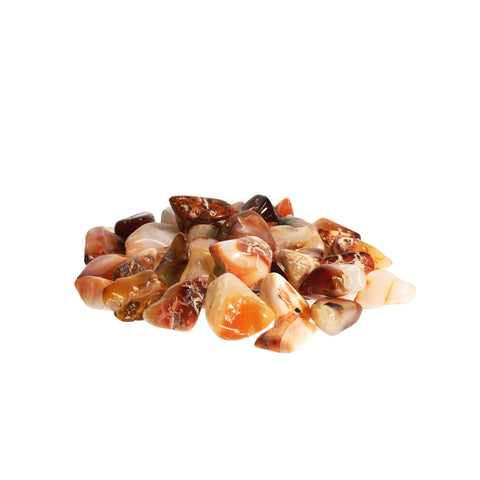
Carnelian E Tumbled Stones - Brazil from Stonebridge Imports

Carnelian E Tumbled Stones - Brazil

Retail Price: $42.00 USD

Unit price
per 

Carnelian A Round Bracelet from Stonebridge Imports
Carnelian A Round Bracelet 8mm from Stonebridge Imports

Carnelian A Round Bracelet

Retail Price: from $8.00 USD

Unit price
per 

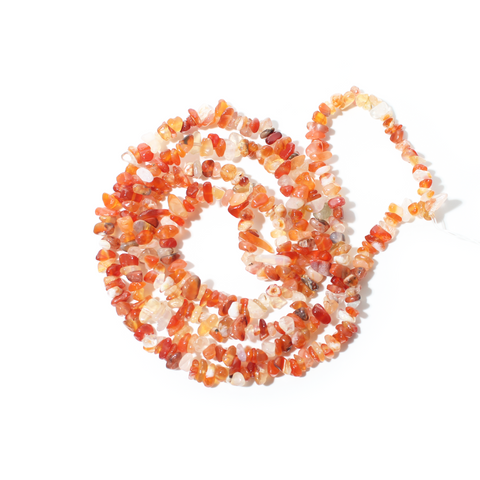
Carnelian A Bead Strand from Stonebridge Imports

Carnelian A Bead Strand

Retail Price: from $8.00 USD

Unit price
per 

Carnelian Runes Set    from Stonebridge Imports

Carnelian Runes Set

Retail Price: $25.00 USD

Unit price
per 

Carnelian Red Agate Tumbled Stones - Mini    from Stonebridge Imports
Carnelian Red Agate Tumbled Stones - Mini from Stonebridge Imports

Carnelian Red Agate Tumbled Stones - Mini

Retail Price: $22.00 USD

Unit price
per 

Stone Meaning Cards - Carnelian - 10 Pack from Stonebridge Imports

Stone Meaning Cards - Carnelian - 10 Pack

Retail Price: $8.00 USD

Unit price
per 

Carnelian A Round Bracelet
Stone notes

Carnelian: the seal stone

An iron-tinted quartz that people have carved, drilled and set in rings for thousands of years.

Carnelian is chalcedony, the same fine-grained quartz as agate, coloured orange to red by tiny specks of iron oxide. It is hard, takes a glassy polish and lets light through, so a good piece seems to glow from inside when it sits in a sunny window.

It is one of the oldest worked gemstones. Beads of carnelian turn up in very early sites across Egypt, Mesopotamia and the Indus Valley. The Romans cut it into signet rings, partly because hot sealing wax does not stick to it, which made it a practical stone for pressing a seal.

Carnelian and red agate overlap. Carnelian is the even, unbanded orange-red form; when the same material shows clear bands, many sellers call it red agate. The trade has also heated carnelian for a very long time. Gentle heat turns brownish iron minerals in the stone a brighter red, and the change is permanent.

For a shop, carnelian is an easy colour to sell. It brings orange and red to a counter full of purples, pinks and clear stones, and it works in every form from a scoop of tumbled stones to a bracelet or a rune set.

Hot wax does not stick to carnelian. That is why the Romans cut their seal rings from it.
About the stone

What is carnelian?

Carnelian is orange-red chalcedony, a fine-grained quartz coloured by tiny particles of iron oxide. It is hard (6.5 to 7 on the Mohs scale), takes a glassy polish and glows when light passes through it, which is why it has been carved into beads and seal rings for thousands of years.

Read more about carnelian

What we stock

Tumbled carnelian by the bag in standard and mini sizes, A-grade round bead strands for jewellery makers, A-grade round bracelets, a carnelian rune set and carnelian meaning cards in 10-packs.

Natural, heated and dyed

Heating is a long-standing treatment that brightens carnelian's colour permanently, and some agate is dyed to look like carnelian. We mark treated stones "(Enhanced)" in the title.

Reading our titles

The letter in a title (A, B or E) is the quality grade of that lot. "Mini" marks a smaller tumbled size.

Mineral
Chalcedony (microcrystalline quartz, silicon dioxide), the orange-red variety
Hardness
6.5 to 7 on the Mohs scale
Colour
Orange, red-orange and brownish red. The colour comes from tiny particles of iron oxide
Light
Translucent. A good piece glows when you hold it up to a lamp
Main sources
India, Brazil, Uruguay, Madagascar and southern Africa
Varieties

Kinds of carnelian we stock

The carnelian forms we stock now. Stock changes, so check the grid above for what is in.

Photos are real pieces from our stock. Tap a variety to see what is in stock now.

In crystal traditions

What carnelian is traditionally used for

In crystal traditions carnelian is a stone of courage, energy and creative drive. It was worn as an amulet in ancient Egypt and carved into seals in Rome, and today people pick it for new starts and confidence.

CourageMotivationCreativityConfidenceChakra: SacralZodiac: Leo, Virgo

Traditional associations, shared as folklore. They are not health or medical claims.

Orange and red stones

Carnelian, red agate or red jasper?

Three orange-red stones that often share a bowl. Hold them up to the light and the difference is easy to see.

CarnelianRed agateRed jasper
What it isOrange-red chalcedonyBanded chalcedony in red tonesOpaque quartz rock, packed with iron minerals
LightGlows through thin edgesGlows through the bandsOpaque, no light passes
PatternEven colour, sometimes cloudyClear bands or stripesSolid brick red, sometimes spotted or veined
Hardness6.5 to 76.5 to 76.5 to 7
TreatmentOften heated, sometimes dyedOften heated or dyedRarely treated

Real, treated or fake?

  • Natural carnelian has soft, slightly cloudy colour that varies within the stone. Hold it to a lamp and look for an uneven glow.
  • Heating is the most common treatment. It turns brownish chalcedony a brighter orange-red and is permanent and widely accepted, but it is still a treatment.
  • Dyed agate is sold as carnelian. The colour sits in stripes that follow the bands, and it is often deeper along cracks and at the drill holes of beads.
  • Orange glass has round bubbles and no grain when held to the light. Real carnelian stays cool in the hand longer than glass.

Care and cleaning

  • Carnelian is hard and handles daily use well. Rinse with lukewarm water and a little mild soap, then dry with a soft cloth.
  • Keep dyed or treated stones out of long soaks and harsh cleaners, which can lift dye from cracks.
  • Strong sun for months on end can soften the colour of dyed pieces. Natural and heated carnelian holds its colour well.
  • Bracelets are strung on elastic. Roll them on and off rather than stretching them, and store them flat.

How shops sell carnelian

  • Tumbled carnelian and bead bracelets are the steady sellers. Keep a bowl of tumbled stones at the till and a bracelet stand right beside it.
  • Put carnelian in a sunny spot or under a warm light. The glow is what makes people pick it up.
  • Bundle a tumbled stone with a carnelian meaning card from the 10-pack. It becomes a small, ready-to-give gift.
  • Pair it with citrine and red jasper for a warm-colour shelf, or with tiger's eye and pyrite for a "confidence" display.
  • Price tumbled stones by size and keep a per-piece label on the bowl. Customers buy more when they do not have to ask.
Apply for wholesale pricing
On the shelf

How to display carnelian

Carnelian sells on glow. Give it light from behind or above and a calm background.

  1. Backlight itSet tumbled stones in a clear glass dish on a window ledge or over a lit shelf. The orange glows when light passes through.
  2. Neutral backgroundWhite, cream or pale wood keeps the orange-red clean. Dark red cloth makes it look muddy.
  3. Bracelets at hand heightHang bracelets on a stand at the till where people can try them on while they pay.
  4. Small and large togetherShow the mini tumbled stones beside the standard size so the step-up is easy to see.
Questions

Carnelian FAQ

What is carnelian?

Carnelian is chalcedony, a fine-grained quartz, coloured orange to red by tiny particles of iron oxide. It is hard (6.5 to 7 on the Mohs scale) and translucent.

Is carnelian heated or dyed?

Heating is common and has been done for a very long time. It turns brownish stone a brighter orange-red, and the colour is permanent. Some agate on the market is dyed and sold as carnelian. Treated stones in our shop are marked "(Enhanced)" in the title.

What is the difference between carnelian and red agate?

Both are chalcedony. Carnelian has even, unbanded colour. Red agate shows clear bands. Many lots mix the two, which is why some listings use both names.

How can I tell real carnelian from glass?

Hold it to a light. Real carnelian shows cloudy, uneven colour and no bubbles. Glass often has round bubbles and very even colour, and it warms up quickly in the hand.

Can carnelian go in water?

Yes. Natural carnelian can be rinsed and washed with mild soap. Keep dyed stones out of long soaks.

What does the E in "Carnelian E Tumbled Stones" mean?

The letter is the quality grade of that lot. Compare the photos in each listing to see the colour and finish.

Can I buy carnelian without a minimum order?

Yes. There is no minimum order. Approved wholesale customers see their wholesale price on every product once signed in.