Loading

Temporary shipping surcharge active - $300 free shipping still available!

Your Cart

Your cart is empty

Get inspiration from items on sale!

WholesaleMalachite

Banded copper green that sells on sight. Tumbled stones, beads, bracelets and azurite with malachite specimens.

7 Results

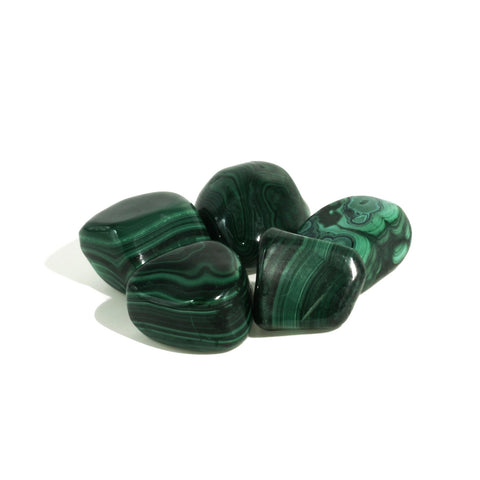
Malachite A Tumbled Stones Large   from Stonebridge Imports
Malachite A Tumbled Stones from Stonebridge Imports
Bestseller

Malachite A Tumbled Stones

Retail Price: $67.00 USD

Unit price
per 

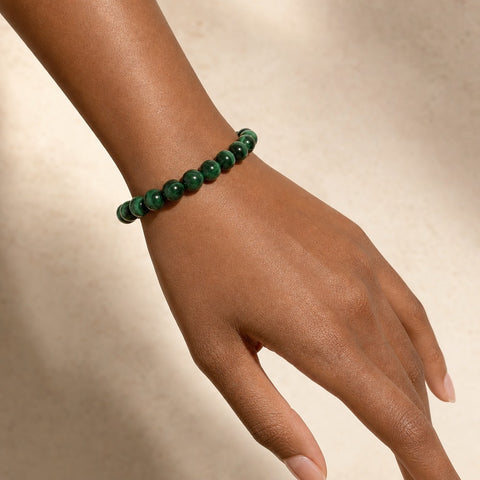
Malachite Bead Bracelet from Stonebridge Imports
Malachite Bead Bracelet 8mm from Stonebridge Imports
Bestseller

Malachite Bead Bracelet

Retail Price: from $5.00 USD

Unit price
per 

Malachite Bead Strand 7" - 6mm from Stonebridge Imports
Malachite Bead Strand from Stonebridge Imports

Malachite Bead Strand

Retail Price: from $22.00 USD

Unit price
per 

Azurite With Malachite Specimen #3 - 2 1/4-3 1/4" from Stonebridge Imports

Azurite With Malachite Specimen #3 - 2 1/4-3 1/4"

Retail Price: $22.00 USD

Unit price
per 

Azurite With Malachite Specimen #4 - 3" to 4 1/2" from Stonebridge Imports
Azurite With Malachite Specimen #4 - 3" to 4 1/2"    from Stonebridge Imports

Azurite With Malachite Specimen #4 - 3" to 4 1/2"

Retail Price: $36.00 USD

Unit price
per 

Malachite Bracelet - 2-3mm from Stonebridge Imports

Malachite Bracelet - 2-3mm

Retail Price: $19.00 USD

Unit price
per 

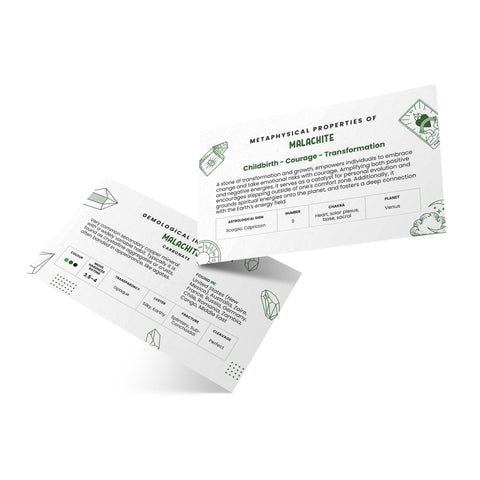
Stone Meaning Cards - Malachite - 10 Pack from Stonebridge Imports

Stone Meaning Cards - Malachite - 10 Pack

Retail Price: $8.00 USD

Unit price
per 

Malachite A Tumbled Stones
Stone notes

Malachite: the green of copper

A soft copper mineral that grows in rings like a tree, and has been a pigment, an ore and a carving stone for thousands of years.

Malachite forms where copper deposits meet air and water near the surface. Rainwater and groundwater break down copper ores, and the dissolved copper settles out again as green copper carbonate. It grows in thin layers over rounded, bubbly shapes, so a cut and polished face shows bands, rings and eyes in light and dark green.

Each band is a layer with a slightly different crystal size. Fine-grained layers look dark; coarser ones look light and silky. That is why no two polished pieces match, and why a good tumbled stone or bead shows crisp contrast between the bands.

Malachite often grows with azurite, its deep blue cousin. Both are copper carbonates, and azurite slowly changes into malachite over time when conditions shift. A specimen with both minerals shows the two stages side by side, which makes it a favourite with collectors and teachers.

For a shop, the main thing to know is that malachite is soft. At 3.5 to 4 on the Mohs scale it scratches against quartz, dislikes acids and should never go in water for drinking. Sold polished and kept dry, it is a durable and very popular stone.

Every band is a layer of copper that settled out of water. No two pieces share a pattern.
About the stone

What is malachite?

Malachite tumbled stones, bead strands, bracelets and azurite with malachite specimens, for shops and jewellery makers.

Mineral
Malachite, a copper carbonate hydroxide
Hardness
3.5 to 4 on the Mohs scale; soft and easy to scratch
Colour
Light to deep green in bands and rings. The colour comes from copper
Habit
Rounded, bubbly masses (botryoidal) and crusts; distinct crystals are rare
Weight
Heavy for its size (specific gravity about 3.6 to 4)
Main sources
Copper mining areas such as the Congo copper belt, Zambia, Russia, Arizona and Australia
Varieties

Kinds of malachite we stock

The malachite forms we carry. Stock changes, so tap through to see what is in now.

Photos are real pieces from our stock. Tap a variety to see what is in stock now.

In crystal traditions

What malachite is traditionally used for

In crystal traditions malachite is the stone of change and protection, linked with new chapters and steady courage. Its eye-like rings made it a protective charm in older folklore.

ChangeProtectionCourageGrowthChakra: HeartZodiac: Scorpio, Capricorn

Traditional associations, shared as folklore. They are not health or medical claims.

The copper family

Malachite, azurite or chrysocolla?

Three copper minerals that often turn up in the same places. Colour and pattern tell them apart.

MalachiteAzuriteChrysocolla
What it isCopper carbonateCopper carbonateCopper silicate
ColourGreen, light and darkDeep royal blueBlue to blue-green
PatternBands, rings and eyesCrystals and crusts, often with green malachiteMottled, often mixed with quartz
Hardness3.5 to 43.5 to 42 to 4 (harder when mixed with quartz)
Best sellersTumbled, beads, braceletsSpecimens with malachiteTumbled, cabochons, beads

Real, treated or fake?

  • Natural malachite is cold, heavy for its size and has bands that curve and vary in width. Very regular stripes, a light weight or a plastic feel suggest resin or glass.
  • Reconstituted malachite is real malachite powder mixed with resin and pressed into blocks. It looks real but the bands can look smeared or too uniform, and it feels lighter.
  • Much polished malachite is stabilized with wax or resin to fill pores and protect the polish. This is normal in the trade and the stone is still malachite.
  • Dyed green howlite or printed imitations show a pattern on the surface only. Look at drill holes and chips; real malachite shows banding all the way through.

Care and cleaning

  • Keep malachite dry. Do not wash it, soak it or put it in water or drinks. It is a copper mineral and is not for elixirs.
  • Dust from cutting, drilling or sanding malachite is harmful to breathe. Polished pieces are fine to handle, but do not rework them without a mask and dust control.
  • Acids, perfume and household cleaners dull the polish. Wipe with a dry, soft cloth.
  • Store malachite on its own or in soft pouches. Quartz and other harder stones scratch it.

How shops sell malachite

  • Give tumbled malachite its own tray or bowl. Mixed into a general tumble bin it gets scratched by harder stones.
  • Bead bracelets are the easy add-on. Keep a small stack near the till, and show the dainty 2-3mm style next to the standard bead size.
  • Pair a tumbled stone or bracelet with a malachite meaning card. It turns a single stone into a small, ready gift.
  • Put azurite with malachite specimens in the mineral section with a one-line label explaining the two copper minerals. Teachers and collectors ask about them.
  • Add a small care card. "Keep dry, not for water" answers the most common question and protects the polish your customer pays for.
  • Price by form, not by weight alone. A well-banded piece can carry a better label than a plain one of the same size.
Apply for wholesale pricing
On the shelf

How to display malachite

Malachite sells on pattern. Show the bands and keep the pieces apart.

  1. Light from the sideSide lighting brings out the silky shine of the bands. Flat overhead light can make malachite look dark.
  2. Pale backgroundWhite, cream or light wood makes the green pop. On black, deep malachite can disappear.
  3. Keep it apartUse a dish, a lined tray or a slotted card for each form. Do not pile malachite with quartz or agate.
  4. Away from waterKeep malachite out of window displays with water features, plants that get misted or damp corners.
Questions

Malachite FAQ

Why is malachite banded?

Malachite grows in thin layers, and each layer forms with a slightly different crystal size and shade. Cutting across the layers shows the bands and rings.

Can malachite go in water?

No. Keep malachite dry and never use it in water or drinks. It is a copper mineral, and water and acids also dull the polish.

Is malachite safe to handle?

Polished malachite is fine to handle and wear. The dust made when it is cut, drilled or sanded is harmful to breathe, so do not rework it without a mask.

How should malachite be stored?

Separately or in soft pouches. At 3.5 to 4 on the Mohs scale it scratches easily, and acids or household cleaners can dull the polish.

What is azurite with malachite?

A natural specimen where blue azurite and green malachite, both copper carbonate minerals, formed together. Each size band is listed in the title.

How can I tell real malachite from fake?

Real malachite is cold and heavy, and its bands curve and vary. Resin and glass copies feel lighter and warmer and often have bands that are too regular. Reconstituted malachite is real malachite powder set in resin.

Can I buy malachite without a minimum order?

Yes. There is no minimum order. Approved wholesale customers see their wholesale price on every product once signed in.