

Emerald: the flawed gem everyone wants
Emerald is one of the few gems where inclusions are expected. Most stones are oiled to hide them, and that is normal.
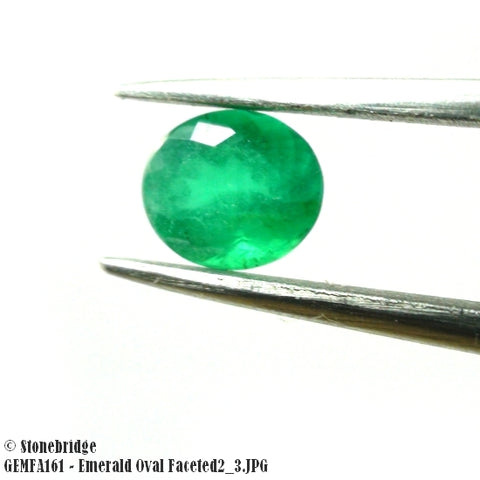
Emerald is green beryl, the same mineral as aquamarine and morganite. Traces of chromium or vanadium give it its colour. Beryl is a fairly hard mineral, 7.5 to 8 on the Mohs scale, but emerald almost always grows with inclusions and tiny cracks. Jewellers call the pattern inside a jardin, French for garden, and expect to see it.
Those cracks are why emerald is the most commonly enhanced of the major gems. For centuries stones have been soaked in oil, usually cedar oil, to fill surface-reaching cracks and make the colour look clearer. Today oil or resin is used on most emeralds sold. It is accepted in the trade, but it should be disclosed, and it is why emeralds should never go in an ultrasonic cleaner or near heat.
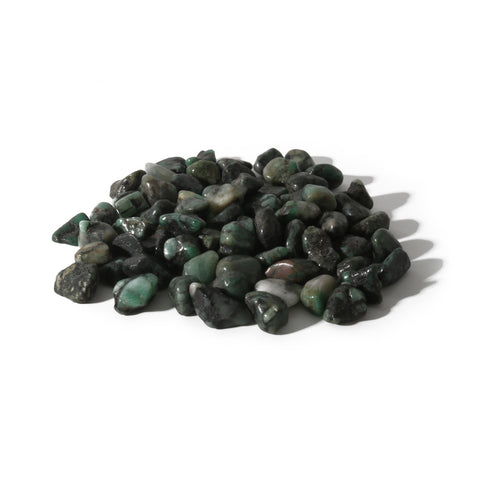
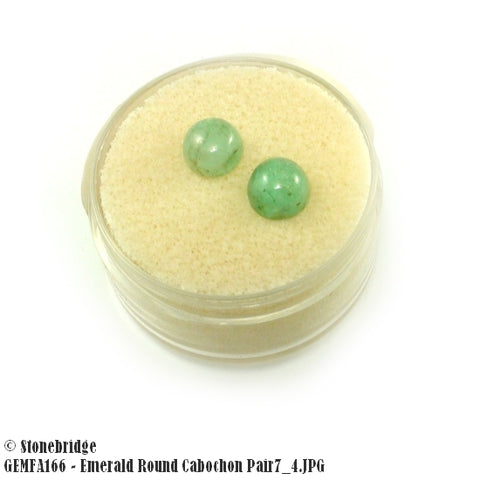
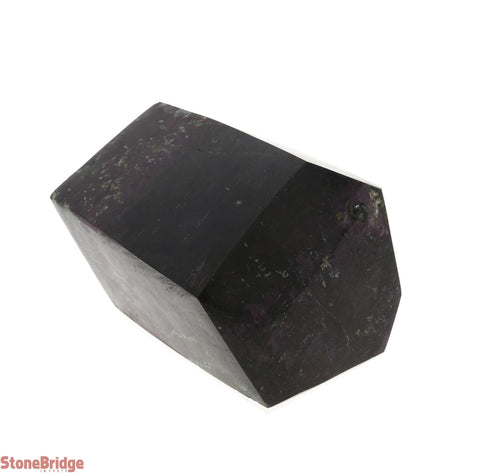
Most emerald in the crystal trade is not gem grade. Mineral-grade emerald is opaque, often a greyish or bluish green, and full of inclusions. It is real emerald, and it is what tumbled stones, chips and beads are made from. That makes the May birthstone affordable for every customer, as long as it is labelled as mineral-grade.
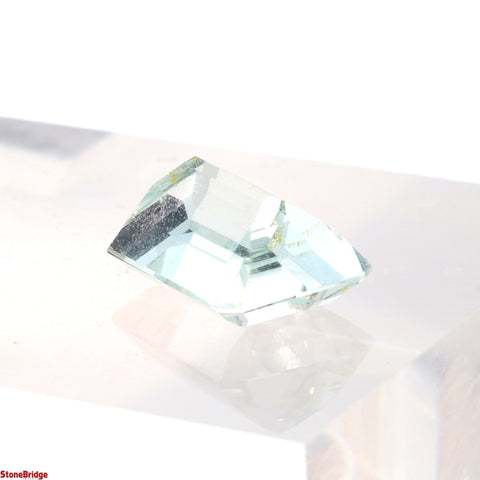
Emerald also gave its name to the emerald cut, a rectangular step cut with clipped corners. The cut was designed to protect brittle emerald while showing off its colour. Today it is used on many gems, which is why an aquamarine or amethyst can be sold as an emerald cut without containing any emerald.
Inclusions in emerald have a name, the jardin. Jewellers expect to see them.