Loading

Temporary shipping surcharge active - $300 free shipping still available!

Your Cart

Your cart is empty

Get inspiration from items on sale!

WholesaleRuby

Red corundum in the forms shops can sell every day. Ruby in zoisite, kyanite and matrix, plus ruby beads for makers.

11 Results

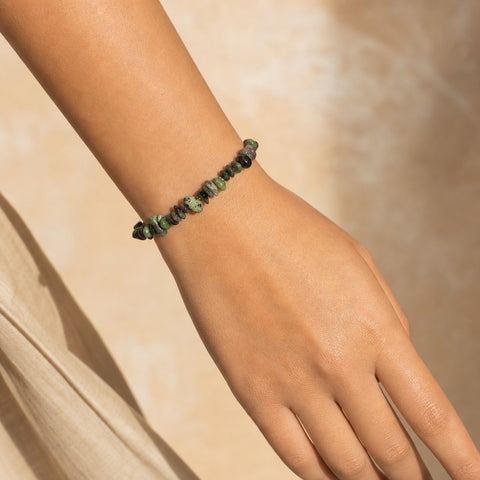
Ruby Zoisite Chip Bracelet from Stonebridge Imports

Ruby Zoisite Chip Bracelet

Retail Price: $5.00 USD

Unit price
per 

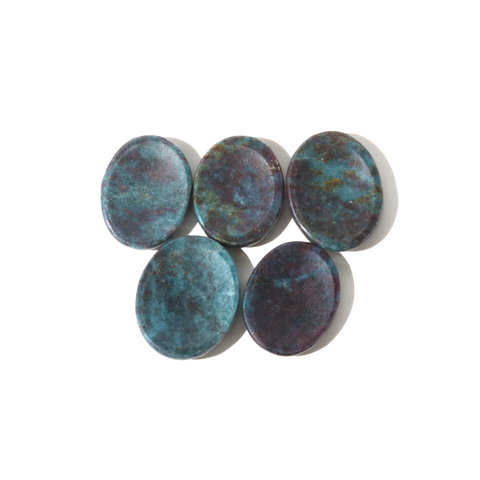
Ruby Kyanite Worry Stone - Pack of 5    from Stonebridge Imports

Ruby Kyanite Worry Stone - Pack of 5

Retail Price: $25.00 USD

Unit price
per 

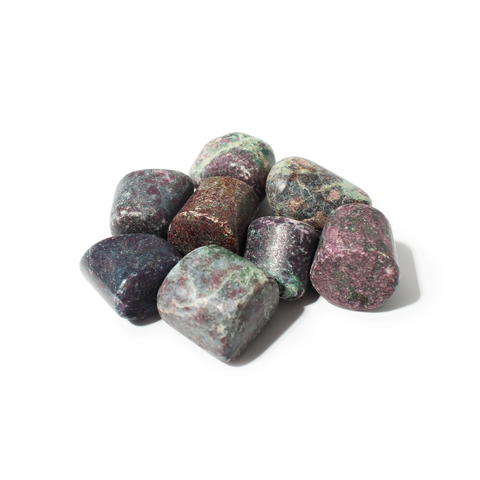
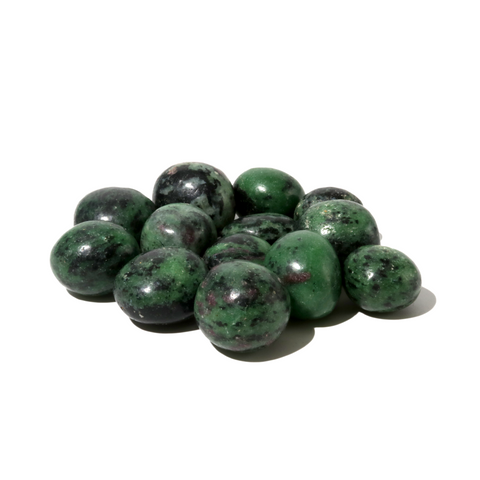
Ruby Zoisite Tumbled Stones Large   from Stonebridge Imports
Ruby Zoisite Tumbled Stones from Stonebridge Imports

Ruby Zoisite Tumbled Stones

Retail Price: $33.00 USD

Unit price
per 

Ruby Zoisite Bead Strand 15" - 8mm from Stonebridge Imports
Ruby Zoisite Bead Strand from Stonebridge Imports

Ruby Zoisite Bead Strand

Retail Price: from $14.00 USD

Unit price
per 

Ruby Zoisite Pendulum 6 Facet & Bead - 3 Pack from Stonebridge Imports

Ruby Zoisite Pendulum 6 Facet & Bead - 3 Pack

Retail Price: $19.00 USD

Unit price
per 

Ruby Kyanite Tumbled Stones - India Large   from Stonebridge Imports
Ruby Kyanite Tumbled Stones - India from Stonebridge Imports

Ruby Kyanite Tumbled Stones - India

Retail Price: $32.00 USD

Unit price
per 

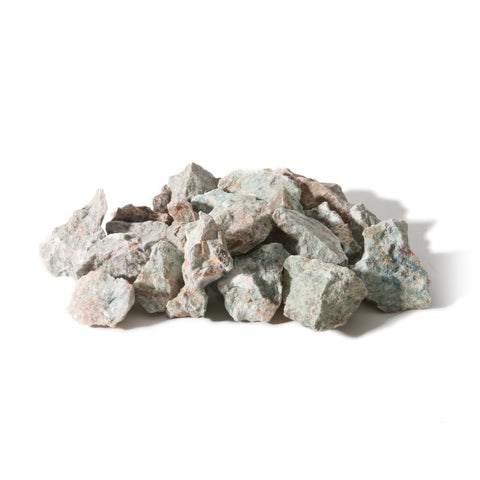
Ruby Kyanite Chips - Small/ Medium 1Kg    from Stonebridge Imports
24% off

Ruby Kyanite Chips - Small/ Medium 1Kg

Retail Price: $21.00 USD

Unit price
per 

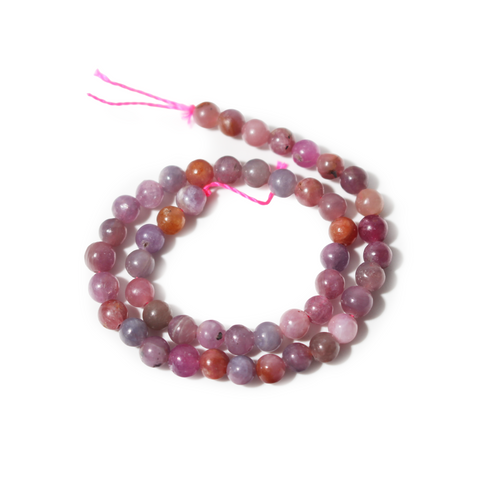
Ruby - Round Strand 7" - 4mm from Stonebridge Imports

Ruby - Round Strand 7" - 4mm

Retail Price: $70.00 USD

Unit price
per 

Ruby Bracelet - 2-3mm from Stonebridge Imports

Ruby Bracelet - 2-3mm

Retail Price: $19.00 USD

Unit price
per 

Ruby in Matrix Tumbled Stones Large from Stonebridge Imports
Ruby in Matrix Tumbled Stones from Stonebridge Imports

Ruby in Matrix Tumbled Stones

Retail Price: $43.00 USD

Unit price
per 

Ruby Kyanite Sphere Unique #3 - 4 3/8" from Stonebridge Imports

Ruby Kyanite Sphere Unique #3 - 4 3/8"

Retail Price: $430.00 USD

Unit price
per 

Ways to shop

Shop ruby by form

Ruby Zoisite Tumbled Stones
Stone notes

Ruby: red corundum, inside other rocks

The gem ruby in a jeweller's window and the ruby in a bowl of tumbled stones are the same mineral. What changes is the rock around it.

Ruby is corundum, crystallised aluminium oxide. Pure corundum is colourless. A trace of chromium turns it red, and the same mineral in any other colour is sold as sapphire. At 9 on the Mohs scale it is one of the hardest natural minerals, which is why tiny ruby crystals survive in rock long after softer minerals have worn away.

Clear, gem-quality ruby is rare and is cut and sold by the carat. Most ruby in the crystal trade is mineral-grade. It is opaque or cloudy, full of inclusions and cracks, and is cut into beads, tumbled stones and carvings. It is still real ruby, just not gem ruby, and it should be priced and labelled that way.

Much of that mineral-grade ruby is sold still sitting in the rock it grew in. Ruby zoisite pairs red ruby with green zoisite and black flecks of hornblende. Ruby kyanite sets ruby in blue, bladed kyanite. Ruby in fuchsite puts it in sparkly green mica. Each rock gives a different colour pair, and that contrast is what customers notice from across the shop.

Ruby is the July birthstone and the traditional gift for a 40th wedding anniversary. For a shop, ruby in zoisite or kyanite is the affordable way to sell that story. The colours are bold, the stones are hard enough to tumble and carve, and the name does a lot of the selling.

Same mineral as the gem in the jeweller's window. The difference is the rock around it.
About the stone

What is ruby?

Ruby is red corundum, aluminium oxide coloured by chromium. It is very hard (9 on the Mohs scale) and is the July birthstone. Most ruby in the crystal trade is mineral-grade: opaque, real ruby that is cut into beads and tumbled stones or sold in the rock it grew in.

Read more about ruby

What we stock

Ruby zoisite tumbled stones, pendulums, bead strands and chip bracelets; ruby kyanite tumbled stones, worry stones, chips and polished spheres; ruby in matrix tumbled stones; and small round ruby bead strands and 2-3mm ruby bracelets for jewellery makers.

Ruby in rock

Ruby zoisite, ruby kyanite and ruby in fuchsite all contain real ruby. The name after "ruby" is the host rock, which sets the colour pair and how the stone should be cared for.

Reading our titles

"Unique #" marks a one-of-a-kind piece with its own photos and size. Packs (3 pack, pack of 5) are sold as one unit. If a stone is enhanced or man-made, its title says so.

Mineral
Corundum (aluminium oxide), the red variety
Hardness
9 on the Mohs scale, second only to diamond among natural gems
Colour
Pink-red to deep red. The red comes from traces of chromium
Habit
Six-sided barrel-shaped crystals and flat plates, often inside other rock
Main sources
Myanmar, Mozambique, Madagascar, Thailand, Sri Lanka, Tanzania and India
Varieties

Kinds of ruby we stock

Real ruby in four settings. Stock changes, so tap through to see what is in now.

Photos are real pieces from our stock. Tap a variety to see what is in stock now.

In crystal traditions

What ruby is traditionally used for

In crystal traditions ruby is the stone of passion, courage and vitality, long worn by rulers as a sign of power. Ruby zoisite is traditionally linked with growth and connection, and ruby kyanite with calm self-expression.

PassionCourageVitalityLoveChakra: Heart and rootZodiac: Cancer, Leo

Traditional associations, shared as folklore. They are not health or medical claims.

Ruby in rock

Ruby zoisite, ruby kyanite or ruby in fuchsite?

All three hold real ruby. The host rock sets the colour pair, the feel and how hard the stone is.

Ruby zoisiteRuby kyaniteRuby in fuchsite
Host rockZoisite (calcium aluminium silicate)Kyanite (aluminium silicate)Fuchsite (chromium-rich mica)
ColoursRed on green, black flecksPink-red on blueRed on sparkly green
Hardness of the host6 to 74.5 to 7, softer along the blades2 to 3
FeelSmooth, takes a good polishSlightly uneven polish, bladed textureSoft and silky, scratches easily
Best formsTumbled, beads, pendulums, carvingsTumbled, worry stones, chips, spheresTumbled, chunks, palm stones

Real, treated or fake?

  • Most ruby on the market is heated to improve its colour. This is standard in the trade and is permanent.
  • Low-grade ruby is often filled with lead glass to hide cracks. Look for flat, glassy patches and tiny bubbles in the cracks under a loupe. Filled ruby must be sold as filled ruby.
  • Very cheap, bright, even red ruby beads are often dyed. Dye collects in cracks and can rub off on a white cloth wiped with a little acetone.
  • Red glass and lab-grown ruby are sold as ruby too. Lab ruby has the same chemistry as natural ruby; a gem lab can tell them apart, a shop usually cannot. If a stone in our shop is enhanced or man-made, its title says so.
  • Ruby zoisite with green that is too bright and even, with no black flecks, may be dyed stone. Natural zoisite is a mottled green.

Care and cleaning

  • Ruby itself is very hard. The host rock is softer, so care for the piece by its softest part.
  • Wipe ruby zoisite and ruby in matrix with a damp cloth. Keep ruby kyanite and ruby in fuchsite dry; dust them with a soft brush.
  • Do not soak filled or dyed ruby, and keep it away from heat and cleaning chemicals.
  • Store ruby beads and bracelets apart from softer stones. Hard ruby can scratch them.

How shops sell ruby

  • Lead with the birthstone. A July birthstone shelf with ruby zoisite tumbled stones, ruby bracelets and a small card does steady trade all year and peaks before July.
  • Ruby zoisite tumbled stones are the easy entry point. Keep a bowl near the till and price per stone.
  • Ruby kyanite worry stones in packs of 5 are a ready counter item. Put one in a customer's hand; the texture sells it.
  • Label honestly. "Ruby in zoisite" or "mineral-grade ruby" tells customers what they are buying and protects the shop from returns.
  • Bundle ruby zoisite with green aventurine or moss agate for a red-and-green holiday gift set, or with rose quartz for Valentine's Day.
  • Jewellery makers buy the 4mm ruby strand and ruby zoisite strands for birthstone pieces. Point them to both.
Apply for wholesale pricing
On the shelf

How to display ruby

Ruby in rock sells on colour contrast. Make the red the first thing people see.

  1. Warm, bright lightA warm white spotlight makes the red glow. Cold or dim light makes ruby look brown.
  2. Neutral backgroundWhite, cream or pale wood lets both colours in ruby zoisite and ruby kyanite stand out. Avoid red or green cloths.
  3. Label the host rockA small card that says "Ruby in zoisite" or "Ruby in kyanite" answers the first question before anyone asks.
  4. Birthstone cornerGroup ruby with other July and summer stones so gift buyers find it by month.
Questions

Ruby FAQ

Is ruby zoisite real ruby?

Yes. Ruby zoisite is real ruby (red corundum) growing in green zoisite, usually with black hornblende. It is mineral-grade ruby, not clear gem ruby, and it is priced that way.

What is the difference between ruby and sapphire?

They are the same mineral, corundum. Red corundum is called ruby; every other colour, including pink in most markets, is called sapphire.

Is ruby heat treated?

Most ruby on the market is heated to improve its colour. Heating is permanent and widely accepted. Glass-filled and dyed ruby are different and should always be disclosed.

What is ruby kyanite?

Ruby kyanite is a natural rock with pink-red ruby crystals set in blue, bladed kyanite. It is sold as tumbled stones, worry stones, chips and polished pieces.

What birthstone is ruby?

Ruby is the birthstone for July. It is also the traditional gift for a 40th wedding anniversary.

Why is your ruby opaque?

Clear gem ruby is rare and sold by the carat. The ruby in beads, tumbled stones and rock pieces is mineral-grade, which is naturally opaque or cloudy with inclusions.

Can I buy ruby without a minimum order?

Yes. There is no minimum order. Approved wholesale customers see their wholesale price on every product once signed in.